Justice On Hold: How India’s Trial Courts Are Creating a New Class of Political Prisoners—Those Accused Of ‘Terrorism’
Article 14 / by Nidah Kaiser And Tamanna Pankaj
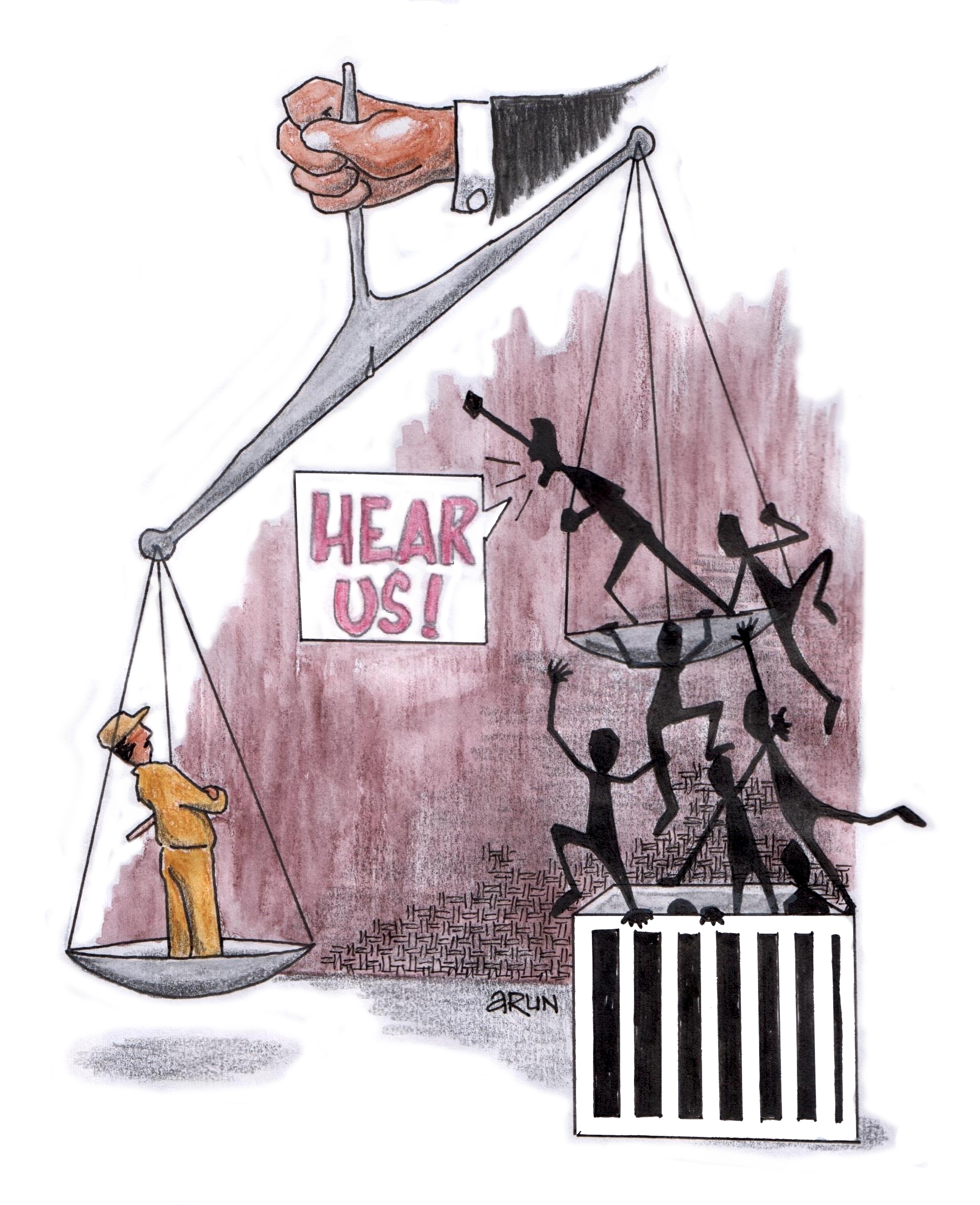
With a conviction rate of 3.1% over four years in cases filed under India’s anti-terrorism law, and despite repeated Supreme Court orders to the contrary, India’s trial, special and ‘fast-track’ courts routinely detain activists for years without trial, often only granting bail after higher-court intervention. This systemic delay defies constitutional right and has created a de facto class of political prisoners.
India today jails scores of political activists under a slew of laws, primarily the Unlawful Activities (Prevention) Act, 1967 (UAPA), keeping many in custody for years before trial—often only freeing them after bail orders by higher courts.
Take the Bhima Koregaon (BK-16) case, where 16 activists were arrested under UAPA in 2018.
Read more
Also read:
▪ Inside the NIA’s ‘Perfect’ Conviction Record: How Coercive Detentions Are Driving Guilty Pleas (The Wire / Dec 2025)
▪ The Grammar of the Power to Arrest and Search under UAPA (Constitutional Law and Philosophy | by Hany Babu and Surendra Gadling | Jul 2025)
▪ UAPA – CRIMINALISING DISSENT AND STATE TERROR – Study of UAPA Abuse in India, 2009-2022 (PUCL / Sep 2022). Download report