Why UAPA demands urgent reform
The Hindu / by Gautam Bhatia
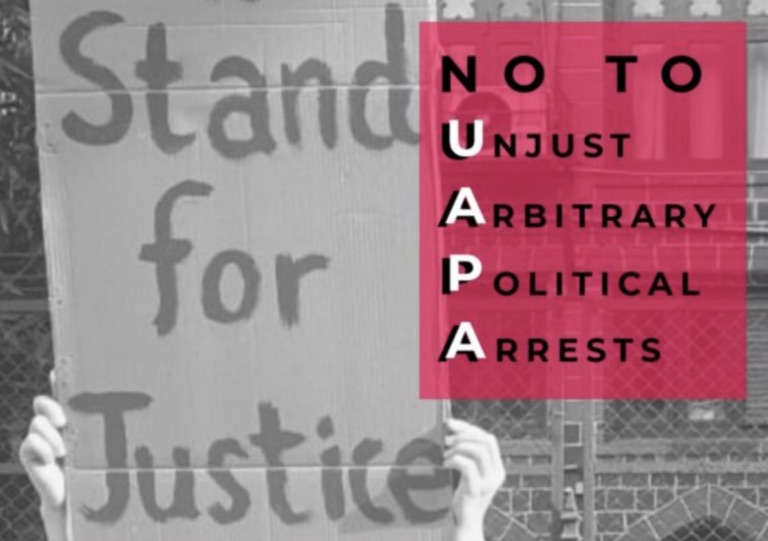
UAPA’s vague provisions, stringent bail conditions and inconsistent judicial interpretations have enabled the prolonged imprisonment of activists, scholars and journalists without trial; Prof. G.N. Saibaba’s experience shows the urgent need to reform a legal regime that undermines civil liberties, due process and rule of law
… The anniversary of Professor Saibaba’s death is an occasion to reflect on a legal regime that is designed to — quite literally — imprison dissent and deny justice. Over the years, the UAPA has been used to criminalise political opposition. Following the violence at the Bhima Koregaon commemoration event in 2018, UAPA charges were brought against 16 scholars and activists, all of whom were jailed. Eight years later, the trial has yet to begin, and the court has yet to frame charges against the accused.
Read more
Also read:
▪ The GN Saibaba Case: The Legacy of a Belated Acquittal (The Wire / Oct 2026)
▪ Voices From Prison | A Legacy Of Detention: Weaponisation Of PDA, TADA, NSA And UAPA Laws Since Independence (Outlook / Jan 2026)
▪ Justice On Hold: How India’s Trial Courts Are Creating a New Class of Political Prisoners—Those Accused Of ‘Terrorism’ (article 14 / Dec 2025)
▪ G.N. Saibaba’s Lifelong Campaign Was Against the Violence of Silencing (The Wire | by Rona Wilson | Oct 2024)
▪ UAPA – CRIMINALISING DISSENT AND STATE TERROR – Study of UAPA Abuse in India, 2009-2022 (PUCL / Sep 2022). Download report